
The Cocoon Method · Part Three
Heart Rate Variability: The Master Biomarker
RMSSD Reference Table
<20 ms — Low, compromised vagal tone: Gentle work only; extensive resourcing first.
20–40 ms — Below average, room for improvement: Progressive approach; track over time.
40–60 ms — Average, normal range: Can do most practices with good pacing.
60–100 ms — Above average, good vagal tone: Ready for deeper work; monitor edges.
>100 ms — High, excellent resilience: Full capacity; use as practitioner benchmark.
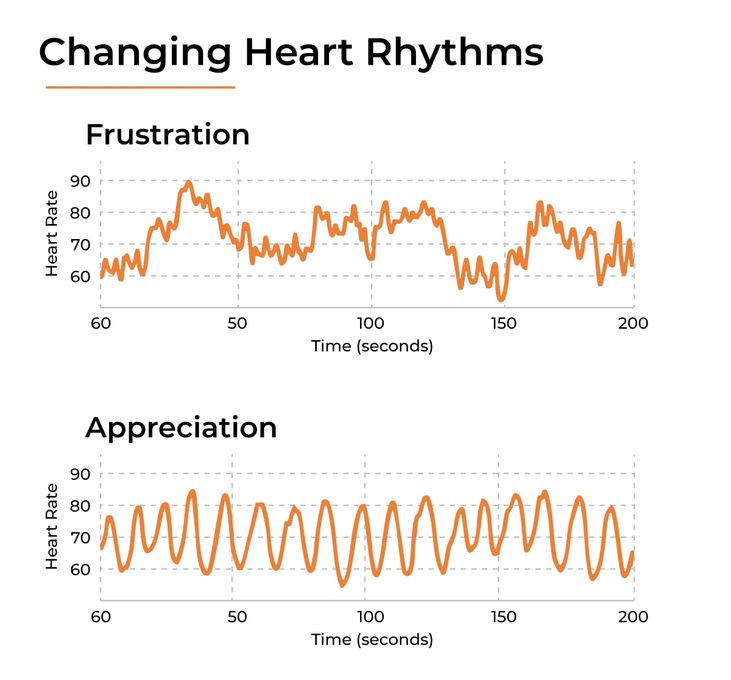
Coherent Breathing: The Magic Number
◎
Coherent Breathing — 10 Minutes Daily
Core Practice
- 1Inhale: Through the nose for approximately 5 seconds — smooth, even, diaphragmatic.
- 2Exhale: Through the nose for approximately 5 seconds — complete, relaxed, no forcing.
- 3Continue: For 10–20 minutes. Notice the body settling into coherence around minutes 4–6.
- 4Daily practice: Regular practice has greater effect on HRV than occasional intensive sessions.
| RMSSD (ms) | Interpretation | Clinical Implication |
|---|---|---|
| <20 | Low — compromised vagal tone | Gentle work only; extensive resourcing first |
| 20–40 | Below average — room for improvement | Progressive approach; track over time |
| 40–60 | Average — normal range | Can do most practices with good pacing |
| 60–100 | Above average — good vagal tone | Ready for deeper work; monitor edges |
| >100 | High — excellent resilience | Full capacity; use as practitioner benchmark |