The Amygdala and Fear
“Most emotions are fear in disguise. — Karl Ulmer”
The Two Roads to Response
Thalamus directly to amygdala. Fast. Direct. Unconscious. The alarm sounds before you even know what triggered it. This is why you flinch before you know what startled you.
Thalamus → Cortex → Amygdala. Slower, conscious, contextual. The cortex evaluates whether the threat is real before the amygdala responds. This is what allows us to choose our response — but it takes time.
Amygdala Hijack
Trauma creates a sensitized amygdala. After traumatic experience, the amygdala becomes hypervigilant — scanning for threat more intensely, firing more easily, generalizing danger more broadly. What was once protective becomes a hair trigger.
The Two Roads: Timing
The Ulmer Principle: Fear Underneath Every Emotion
Fear of being violated, disrespected, or powerless.
Fear of loss, abandonment, aloneness.
Fear of being seen as defective and rejected.
Fear of punishment or loss of connection.
Fear of future threat.
Fear of hopelessness or meaninglessness.
Fear of losing what we have.
Fear of inadequacy.
What might they be afraid of, underneath this emotion? Anger guards grief. Grief guards terror. Find the fear, and you find what actually needs to heal.
Amygdala Hijack: The Sequence
Triggers Are Time Machines
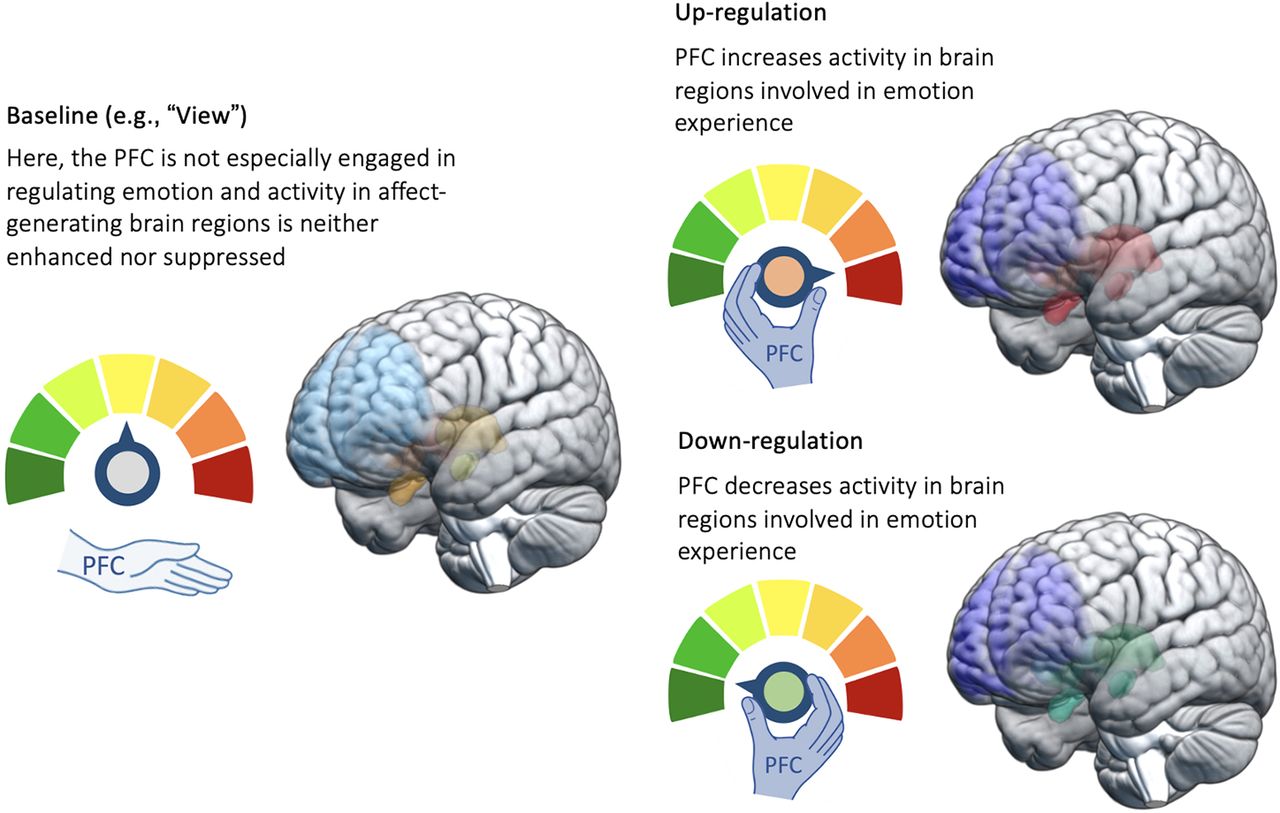
At baseline, activity in emotion regions is neutral. Up-regulation amplifies emotional experience; down-regulation suppresses it. Breathwork builds the PFC's capacity to regulate flexibly rather than rigidly suppress.
Working With the Amygdala in Session
Extended exhale (activates vagal brake). Grounding (feet on floor, sensory contact with present). Slowing everything — speech, movement, breath. Your regulated nervous system co-regulating theirs. Soft voice, warm eye contact, open posture.
Tell them to calm down (activates shame). Explain why they should not be afraid (logic does not reach amygdala). Rush or add urgency. Get activated yourself. Show fear or panic.
Create a personal trigger map: What are your most common triggers? What do you notice in your body when activated? What helps you return to regulation? Share one trigger and one recovery strategy with the group. Begin to build a collective map of what works.